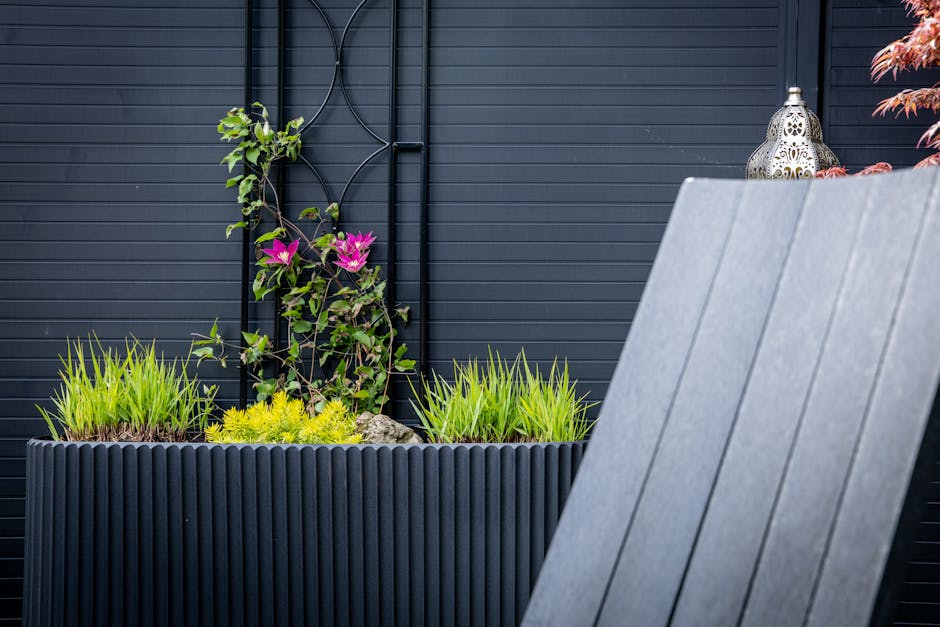
Case study gardeners makeover Putney Embankment terrace
If you are looking at a Putney Embankment terrace and thinking, "This has good bones, but it needs sorting out," you are in the right place. A thoughtful Case study gardeners makeover Putney Embankment terrace project is not just about making a space look tidier for a few weeks. It is about turning a compact, exposed, often overlooked terrace into a place that feels calm, usable, and suited to the way people actually live.
Terrace gardens along the river can be tricky. Wind, reflected heat, shade from neighbouring buildings, and a tight footprint all shape the result. That is why a real makeover approach matters. In this guide, we will walk through how a terrace transformation works, what benefits it can deliver, where people go wrong, and how to judge whether your space is ready for a proper redesign or just a smarter maintenance plan. A small terrace can still punch well above its weight. Truth be told, it often does.
Why Case study gardeners makeover Putney Embankment terrace Matters
A terrace near Putney Embankment is a very particular kind of garden space. It may be small, long and narrow, set above street level, or open to river breezes that can be surprisingly harsh. That mix creates opportunity and frustration in equal measure. One week the planting looks generous; the next, it looks thirsty, wind-battered, or a little lost in the scale of the hard landscaping.
This is why a case study style makeover is useful. It shows how a gardener thinks through the space, not just how it looks at the end. You get the reasoning behind plant choices, storage, circulation, privacy, and maintenance. For homeowners and landlords alike, that matters because a good terrace design should be easy to live with, not just nice for a photograph on a sunny afternoon in June.
There is also a local angle. Riverside terraces in London often face practical issues that suburban gardens do not: limited access, narrower routes for materials, more pressure on drainage, and neighbours close by. A makeover done well has to respect all of that. That means less guesswork, more planning, and a lot of listening. Which, to be fair, is usually the part people skip until something starts dying off in a planter.
If you are comparing ideas for a broader refresh, it can help to understand the wider service picture too. A simple update may only need garden maintenance, while a more ambitious redesign might sit closer to landscape gardening or even broader landscaping work.
How Case study gardeners makeover Putney Embankment terrace Works
A strong terrace makeover usually follows a clear sequence. The exact order changes from garden to garden, but the logic stays the same: understand the site, solve the awkward bits first, then layer in structure and planting. That may sound obvious, but plenty of projects get things back to front. Fancy pots first, practicality later. Not ideal.
1. Site review and problem mapping
The starting point is a proper walk-through. You look at sunlight, shade, wind exposure, drainage, access points, and what the terrace is actually used for. Is it a morning coffee spot? A dinner space? A place for children, pets, or just a bit of quiet? The answer changes everything.
On a Putney Embankment terrace, wind direction can influence where taller planting belongs, while reflective light from nearby buildings can create hot spots that dry containers faster than expected. A good gardener will notice those details early, before they become plant stress or maintenance headaches.
2. Clearing, pruning, and editing
Before new planting or furniture goes in, the old material usually needs a clear-out. This might involve removing tired compost, pruning overgrown shrubs, reducing awkward self-seeders, and taking away broken containers or dead timber. If there is a lot to remove, a service such as garden clearance can be the sensible place to begin.
This is the stage where a terrace starts to breathe again. It can feel a bit bare for a day or two, but that is often a good sign.
3. Layout and function planning
Once the clutter is gone, the layout can be planned properly. On a terrace, space has to work hard. You may need a seating zone, a planting zone, maybe a slim storage solution, and a route that does not force people to squeeze past everything. A layout that looks elegant in a plan can feel awkward in real life if it blocks movement. So the best designs are usually the simplest ones.
4. Hard landscaping and surface decisions
The surface underfoot shapes the whole experience. Timber decking, paving, gravel, or raised planters all change how the terrace feels. If the existing surface is in decent condition, it may only need a tidy-up. If not, a more considered refresh may include decking services or other structural improvements. This is also where drainage and safety should be thought about carefully, especially on upper-level terraces or compact urban spaces.
5. Planting and finishing
Finally, the planting scheme brings the whole thing together. The best terrace planting is layered, seasonal, and forgiving. It should cope with containers, occasional dryness, and the reality that people forget to water when life gets busy. No shame in that. We all do it.
For privacy and softness, taller container plants can be very effective, especially where the terrace is overlooked. For that reason, many designs benefit from vertical structure and carefully chosen screen planting. If that is a concern, the ideas in this planting-focused guide can be a useful reference point.
Key Benefits and Practical Advantages
A well-executed terrace makeover offers more than visual improvement. It can change how you use the space day to day, which is the real win. A good garden should make life easier, not demand a spreadsheet and a miracle every weekend.
- Better use of limited space: A small terrace can feel far more generous when the layout is clear and the planting is disciplined.
- Improved privacy: Strategic screening with planting, trellis, or layered containers can reduce the feeling of being overlooked.
- Lower maintenance pressure: The right plants and materials reduce constant rework and rescue missions.
- Stronger visual identity: A coherent terrace feels intentional instead of patched together from old pots and hopeful decisions.
- Safer, tidier access: Clear walkways and stable surfaces reduce trip risks and awkward bottlenecks.
- Better year-round value: Seasonal structure means the space still works when flowers are not at their peak.
The most underrated benefit? Confidence. Once a terrace is properly arranged, people tend to use it more. They sit outside for longer. They water more consistently. They notice the garden again. That sounds small, but it is a big shift in how the space functions.
| Before makeover | After makeover |
|---|---|
| Cluttered pots, patchy planting, unclear use | Defined zones, purposeful planting, easier movement |
| Plants stressed by wind or sun in the wrong spots | Species matched to the terrace conditions |
| Maintenance feels reactive | Maintenance becomes predictable and manageable |
| The terrace is admired occasionally | The terrace gets used regularly |
Who This Is For and When It Makes Sense
This kind of project is a good fit for homeowners, landlords, and busy professionals who want a terrace that looks polished without becoming a second job. It is also useful for people who have inherited a garden that was once attractive but has drifted into chaos over time. Happens all the time, honestly.
It makes sense if you recognise any of these situations:
- The terrace feels too bare in winter and too chaotic in summer.
- There is not enough privacy from neighbouring windows or nearby foot traffic.
- You want outdoor space for entertaining, but it does not currently feel welcoming.
- The planting has become overgrown, uneven, or too maintenance-heavy.
- Existing surfaces are tired, stained, or no longer suit the way you use the space.
- You are planning to sell, let, or simply improve the property's day-to-day appeal.
It may be less urgent if the space is already functional and only needs seasonal upkeep. In that case, regular work may be enough, especially if paired with reliable mowing, pruning, and border care. A package like lawn mowing or a broader service such as services overview might be the better fit than a full redesign.
Step-by-Step Guidance
If you are planning a makeover, it helps to think in stages rather than jumping straight to shopping. Here is a practical order that works well for terraces in urban London settings.
- Assess the conditions. Watch the terrace at different times of day. Morning light, afternoon heat, and evening wind can all matter.
- Decide the main use. Dining, relaxing, privacy, planting display, or a mix? Choose one lead function first.
- Clear and prune. Remove damaged items, cut back overcrowded growth, and strip out what no longer fits the design.
- Check the base. Look at surface condition, drainage, and any loose or unsafe elements.
- Plan the layout. Keep circulation simple. Leave room to move, sit, and water plants without hassle.
- Choose structure before detail. Screens, planters, and larger containers should come before decorative extras.
- Select plants for the site, not the wish list. Wind-tolerant, drought-aware, and container-friendly planting usually performs best.
- Install and settle. Place plants thoughtfully, water thoroughly, and allow the terrace to settle for a few weeks before making big changes again.
- Review after the first season. Some plants will flourish, some will sulk a bit, and a few may need moving. That is normal.
One useful habit is to test the space as if you were a visitor. Can you step out with a tray? Can you open a door without nudging a pot? Can someone sit without feeling boxed in? These tiny checks save a lot of annoyance later.
Expert Tips for Better Results
Good terrace makeovers are often won in the details. The broad design matters, yes, but the small decisions can either smooth the whole experience or make it fiddly every week.
- Use repetition wisely. Repeating one or two container styles can calm a busy terrace visually.
- Think in layers. Low, medium, and tall planting gives depth, even in a compact space.
- Choose plants with honest habits. If a plant always flops in wind or needs constant deadheading, it may not belong here.
- Keep colour disciplined. Too many competing colours can make a small terrace feel restless.
- Do not block drainage. Containers and furniture should never prevent water from moving away cleanly.
- Plan for winter. The terrace should still look composed when flowering has slowed.
A small but important point: buy fewer things and place them better. That advice is rarely exciting, but it works. A terrace with six well-chosen elements usually beats one with twelve uncertain ones.
If the project includes hedging or structural green screens, keep an eye on maintenance access from the start. You do not want a beautiful corner that becomes impossible to trim. A service such as hedge trimming can be part of the long-term plan if taller boundary planting is involved.
Common Mistakes to Avoid
Let's face it, terrace makeovers go wrong in predictable ways. The good news is that most of them are avoidable if you slow down early.
- Ignoring the wind: Delicate plants can look fine in a sheltered showroom and fail miserably on a riverside terrace.
- Overfilling the space: Too many pots make access awkward and cleaning harder.
- Choosing plants for appearance alone: A plant that looks lovely in a nursery may be a poor fit for your terrace conditions.
- Neglecting maintenance from day one: A design that requires perfect weekly care is usually unrealistic.
- Forgetting privacy lines: What looks open and airy in theory can feel exposed in real life.
- Mixing too many materials: Stone, timber, metal, rattan, and bright ceramics can fight each other if there is no clear theme.
Another mistake is chasing instant fullness without thinking about the plants' growth habits. A terrace should mature gracefully. If everything looks finished on day one, there is a chance the design has no breathing room for month six.
Tools, Resources and Recommendations
You do not need a warehouse of equipment to manage or improve a terrace. But a few sensible tools and resources make the process easier and safer.
Useful tools
- Quality secateurs for light pruning and deadheading
- A sturdy hand trowel for container work
- Watering cans or a hose solution that suits your access
- Gloves with a good grip, especially for tougher clear-outs
- A simple measuring tape for checking widths and spacing
- Plant labels or a note system, because memory is not always generous
Practical service areas to consider
Depending on the state of the terrace, different services may become useful at different stages. For example, ongoing maintenance helps keep the design from slipping, while pricing and quotes can help you compare options with a clearer sense of scope. If you are replacing tired planting with a more purposeful layout, landscape gardening may be the right level of input.
If you are unsure where to begin, a simple first step is often to sort the space into three categories: keep, improve, remove. It is plain, maybe a bit unsophisticated, but it works surprisingly well.
Law, Compliance, Standards, or Best Practice
For a terrace makeover in London, compliance is usually less about dramatic legal complexity and more about sensible practice. That said, it should not be ignored. If work involves waste removal, access arrangements, electrical features, structural changes, or work near shared boundaries, careful planning matters.
For example, garden waste should be managed responsibly, especially in urban areas where disposal can become messy quickly. If you are dealing with a big clear-out, it is worth understanding the practical side of waste handling and local expectations. A useful starting point is this guide to Putney garden waste rules, which can help you avoid a few obvious headaches.
Best practice also includes insurance awareness, especially where contractors are working on surfaces, walls, heights, or shared access points. It is sensible to ask about public liability cover and safe working methods. If you are curious about that side of things, the information on insurance and safety and health and safety policy can help set expectations.
For projects that add hard landscaping, raised structures, or heavier containers, check whether the surface can carry the load and whether drainage will still work properly. You do not need to become a building expert overnight, but a cautious, measured approach is wise. Better to ask one more question now than discover a problem after the heavy work is done.
Options, Methods, or Comparison Table
Not every terrace needs the same level of intervention. Some need a quick refresh; others need a full rethink. The right choice depends on budget, condition, and how the space is used. Below is a practical comparison that may help.
| Approach | Best for | Typical focus | Good to know |
|---|---|---|---|
| Light refresh | Already functional terraces needing tidy-up | Pruning, re-potting, cleaning, seasonal updates | Fastest and least disruptive |
| Targeted makeover | Spaces with a few recurring problems | Privacy, layout fixes, better planting, surface repair | Often the sweet spot for busy homeowners |
| Full redesign | Terraces with poor flow or tired structure | New layout, hard landscaping, planting scheme, screening | Best when the current setup is working against you |
In many real-world cases, a targeted makeover is enough. You do not always need to rip everything out. Sometimes the garden just needs clearer boundaries, better plants, and a firmer sense of purpose. Simple, not boring.
Case Study or Real-World Example
Here is a realistic example based on the kind of work often needed on a Putney Embankment terrace. A homeowner wanted the space to feel calmer and more private, but it had become a mix of mismatched containers, a few stressed shrubs, and a seating area that was technically usable yet not especially inviting.
The first visit focused on observation. The terrace was brighter than expected in the late afternoon, with regular wind exposure and a few awkward corners where watering was difficult. The existing layout left a narrow route from the door to the seating area, and several pots were taking up valuable space without really contributing anything. A classic "keep because it was expensive" situation. Very common.
The makeover approach was to simplify rather than add. Unhealthy planting was removed, the strongest structural plants were kept or repositioned, and the seating area was given cleaner access. Taller containers were moved to create a softer privacy line, while lower planting was grouped in a more deliberate rhythm. The overall feel changed from cluttered to composed, and the terrace became easier to water, easier to sit in, and easier to maintain.
The key lesson from this kind of project is that restraint often does more than volume. The best result was not a crowded display. It was a space that felt like it finally knew what it wanted to be.
Expert summary: the most successful terrace makeovers usually solve function first, then add beauty. If the layout is awkward, the planting will always be carrying too much weight.
Practical Checklist
Use this checklist before starting or reviewing a terrace makeover.
- Have you assessed light, shade, and wind at different times of day?
- Do you know what the terrace is primarily for: seating, privacy, dining, or display?
- Have you cleared out dead, damaged, or unnecessary items?
- Is the surface safe, level enough, and suitable for the intended use?
- Is drainage working properly?
- Have you chosen plants that suit container life and local conditions?
- Does the layout allow comfortable movement and easy maintenance?
- Have you allowed space for growth, not just the current size of plants?
- Do you have a simple maintenance plan for watering, pruning, and seasonal resets?
- Have you considered whether the project is a refresh, a targeted makeover, or a full redesign?
If you can tick most of these off, you are already ahead of the game. If not, no panic. That just means the planning stage is doing its job.
Conclusion
A Case study gardeners makeover Putney Embankment terrace is really about turning a challenging outdoor space into one that feels intentional, calm, and useful. The best results come from honest assessment, thoughtful planting, and a layout that works in daily life rather than just on paper.
Whether your terrace needs a light refresh or a more complete rethink, the principles stay the same: work with the conditions, keep the design clear, and choose solutions that are easy to live with. That is how a small terrace becomes one of the best parts of a home.
If you are ready to explore the next step, compare the scope, ask the right questions, and choose a plan that fits both your space and your routine. A good terrace should make you want to step outside a little more often. That, really, is the whole point.
Get a free quote today and see how much you can save.
Frequently Asked Questions
What is included in a Putney Embankment terrace makeover?
It usually includes clearing, pruning, layout planning, planting updates, privacy improvements, and sometimes surface or structure work. The exact scope depends on the terrace's current condition and how you want to use it.
How long does a terrace makeover usually take?
Smaller refreshes can be completed fairly quickly, while a fuller redesign may take longer because of planning, sourcing, and installation. Weather, access, and the amount of clearing needed all affect timing.
Is a terrace makeover worth it for a small space?
Yes, often more so than in larger gardens. Small terraces benefit from clear planning because every square metre matters. A good design can make the space feel bigger, calmer, and more useful.
What plants work best on a windy riverside terrace?
Plants that tolerate wind, cope well in containers, and do not need constant attention are usually the safest choice. A local gardener will often recommend species based on light levels and exposure rather than a fixed list.
Do I need a full redesign or just maintenance?
If the terrace already works well but looks tired, maintenance may be enough. If the layout feels awkward, the space lacks privacy, or the planting is failing, a redesign or targeted makeover makes more sense.
Can I keep some of my existing plants?
Absolutely. A good makeover often keeps the strongest plants and repositions them. Healthy, well-suited plants can become part of the new structure and help reduce cost and waste.
How do I make a terrace feel more private?
Privacy usually comes from layered planting, taller containers, screens, or trellis-style structure. The aim is to soften views without making the space feel boxed in.
What should I ask a gardener before starting?
Ask about their approach to layout, plant choice, drainage, access, ongoing maintenance, and waste removal. It also helps to ask how they handle safety and whether they can work within your budget and timescale.
Will a makeover increase maintenance?
Not if it is designed well. In fact, a smarter terrace often reduces maintenance because the planting is better suited to the site and the layout is easier to manage.
What is the biggest mistake people make with terrace makeovers?
The most common mistake is overcrowding the space with too many plants or features. A terrace needs room to breathe. A clear design usually performs better than a busy one.
How do I prepare my terrace before the work starts?
Remove portable items, check access routes, note any drainage or surface issues, and decide what you want to keep. It also helps to take a few photos before changes begin, especially if you want to compare the before-and-after result.
Where can I learn more about related garden services?
You can explore general service information through the blog, check practical options in the services overview, or review company background on the about us page.
And if you are planning your own terrace transformation, start with the conditions, not the wish list. That one habit saves a lot of time, money, and slightly regretful plant purchases.