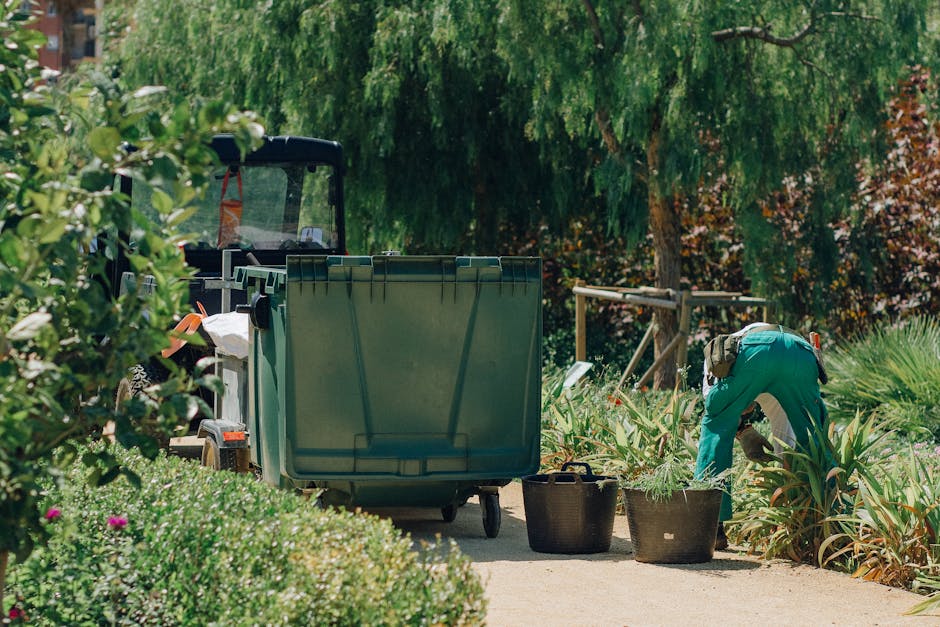
What to know about Putney garden waste rules Wandsworth Council
If you live in Putney and you are staring at a pile of hedge trimmings, leaves, grass cuttings, or a stubborn mountain of prunings, the rules around garden waste can feel oddly confusing. One week it looks simple; the next, you are wondering whether that old compostable bag, that one branch, or a sack of ivy is allowed. This guide on What to know about Putney garden waste rules Wandsworth Council breaks it down in plain English, so you can deal with green waste properly, avoid common mistakes, and make the whole job a lot less stressful.
We will cover how garden waste collections usually work in this part of London, what tends to be accepted, what gets people into trouble, and how to plan a tidy, compliant disposal routine that actually fits real life. To be fair, garden waste is one of those jobs that sounds easy until a wet Saturday, a full green bin, and a hedge that has other ideas all arrive at once.
Whether you are a homeowner, renter, landlord, or managing a property with shared outdoor space, the key is understanding the rules before the bags start stacking up by the gate. That saves time, avoids hassle, and helps keep your street looking decent too.
Table of Contents
- Why Putney garden waste rules matter
- How the rules and collections generally work
- Key benefits and practical advantages
- Who this is for and when it makes sense
- Step-by-step guidance
- Expert tips for better results
- Common mistakes to avoid
- Tools, resources and recommendations
- Law, compliance, standards, or best practice
- Options, methods, or comparison table
- Case study or real-world example
- Practical checklist
- Conclusion
- Frequently asked questions
Why Putney garden waste rules matter
Garden waste is not just "rubbish with leaves on it". In council terms, it is usually treated as a separate waste stream because it can often be recycled or composted rather than sent with general household waste. That matters because mixed waste is more expensive to handle, more wasteful, and more likely to be rejected or left behind if it is not prepared correctly.
In Putney, the practical reality is this: if you are clipping a front hedge, clearing a back garden, or dealing with seasonal leaf fall after a windy spell along the Thames side streets, you need to know which disposal route is available to you. Some households use a council garden waste service. Others rely on local recycling and reuse options, private collection, or an approved disposal method. The right approach depends on the property, the volume, and the type of waste.
Why does this matter so much? Because garden waste rules affect more than convenience. They affect cost, kerbside presentation, missed collections, and whether your waste gets accepted at all. A bag with soil, rubble, food waste, or plastic mixed in may be considered contaminated. And once that happens, the tidy plan becomes a messy one very quickly.
If you are already sorting other household waste properly, you may also find it useful to understand wider local expectations through related guides such as waste collection services and recycling-focused disposal, especially if your property produces more than the odd bag of clippings.
How Putney garden waste rules work
The exact arrangements can vary depending on the property type and the service available, so the safest approach is to think in terms of process rather than assuming one universal rule. Most local garden waste systems follow the same broad logic: separate green waste from general waste, present it in the required container or format, and avoid contamination.
Garden waste commonly includes things like grass cuttings, leaves, plant trimmings, small branches, and weeds. Some services also accept cut flowers and hedge clippings. Things that often cause problems include soil, stones, logs larger than the service allows, turf in heavy quantities, plastic plant pots, and any non-organic material. If you have ever cleared a flower bed only to discover half of it is compacted compost, clay, and broken terracotta, you will know how quickly the job becomes more complicated.
In a typical council-style system, you may need to:
- use a designated bin, sack, or container;
- keep the waste loose enough for collection crews to empty safely;
- avoid overfilling the container;
- put it out on the correct day or in the correct place;
- make sure the contents are clean and suitable for composting or recycling.
Some households also choose private garden waste removal if the volume is high or if the waste includes bulky items such as branches, root balls, or old timber from a garden project. That route can be especially useful after a big seasonal tidy-up, when the shed has somehow produced three broken planters, two bags of ivy, and a bramble patch that put up a fight.
For local residents comparing service options, related pages like commercial waste support and house clearance services can help if the garden job is part of a larger property clear-out rather than a simple green waste collection.
Key benefits and practical advantages
Getting garden waste right is not only about compliance. It also makes the whole routine smoother. The main benefits are surprisingly practical.
- Less clutter at home: No more bags sitting in the hallway, garage, or side return waiting for a solution.
- Cleaner kerbside presentation: Useful if you share a street or live in a terrace where appearances matter.
- Lower risk of rejected collections: Proper sorting means fewer surprises on collection day.
- Better recycling outcomes: Green waste can often be composted, which is far better than mixing it with general refuse.
- More efficient garden maintenance: Once you have a routine, pruning and clearing become less of a chore.
There is also a very real peace-of-mind benefit. When you know the rules, you stop second-guessing every bag. No more asking, "Can I put these clippings in there?" while standing in the drizzle with a hedge trimmer in one hand and a bin lid in the other. You just know what goes where.
For households and landlords alike, garden waste management can also support a better overall property standard. A tidy outside space usually means a tidier mindset. Sounds a bit sentimental, maybe, but it is true more often than not.
Who this is for and when it makes sense
This topic matters to quite a few people in Putney. If any of the following sounds familiar, you will benefit from understanding the rules properly.
- Homeowners with front or back gardens, especially after spring and autumn clean-ups.
- Renters who are responsible for maintaining outdoor space under their tenancy agreement.
- Landlords and agents managing gardens between tenancies or after tenant moves.
- Flat block managers with shared planting beds, communal shrubs, or courtyard spaces.
- Busy families who need a simple, reliable way to clear seasonal debris.
- Anyone doing landscaping work who suddenly has more green waste than the local bin can comfortably hold.
It makes sense to think about these rules whenever you are doing more than a light trim. A quick deadhead is one thing. A full hedge cut, a lawn scarification session, or a garden redesign is another. The more material you create, the more important it becomes to plan disposal before you start.
This is also where practical service choices matter. If you need more than ordinary household handling, you may want to compare options linked to broader removal support, such as general rubbish removal or clearance services for mixed waste, especially when the garden job is part of a bigger declutter.
Step-by-step guidance
If you want a straightforward way to deal with Putney garden waste, use this approach. It keeps things orderly, and it works whether you are managing a small patio garden or a larger family plot.
- Identify the waste type. Separate green waste from general rubbish, soil, rubble, and bulky hard materials.
- Check the available route. Decide whether the council service, a private collection, or another legal disposal method is the best fit.
- Sort as you go. Keep leaves, cuttings, and small branches together. Put non-organic items aside immediately.
- Prepare the waste properly. Use the container or presentation method that the service expects. Do not overstuff it.
- Watch for contamination. Remove plastic tags, pots, ties, wire, and hidden rubbish before collection day.
- Set out the waste on time. Missed timing is a classic headache. The bin is full, the crew has been, and now you are stuck with it for another week. Lovely.
- Review what is left. If you still have bulky offcuts or awkward material, arrange a follow-up solution rather than forcing it into the wrong bin.
A simple example: you cut back a jasmine, two hydrangeas, and a small hedge. The leafy material is fine for a green waste collection, but the broken plant pot, a bag of old compost, and a stack of damp cardboard are not. Separate them at source, and the process becomes much easier.
That is the whole trick, really. Separate early, and everything after that feels lighter.
Expert tips for better results
After dealing with garden clearances for a while, a few habits stand out. They are small things, but they save time and frustration.
1. Cut waste down before bagging
Long stems and tangled ivy take up far more space than people expect. A quick chop with shears can halve the volume. It is a bit tedious, yes, but it pays off immediately.
2. Keep wet material separate if possible
Damp grass clippings can become heavy and awkward. If you have a choice, mix wetter waste with drier material to reduce compaction. It also makes bags easier to handle.
3. Don't let the "almost green" items sneak in
Small bits of plastic, tape, plant labels, and even tiny bits of wire are the sort of things that end up causing problems. One little tie. Then another. Then suddenly the sack is not clean enough. Happens all the time.
4. Plan for seasonal peaks
Autumn leaf fall and spring pruning both produce more waste than most people expect. If your garden sees a big seasonal shift, line up disposal options before the heap starts growing at the back door.
5. Use the garden itself where appropriate
Some organic waste can be composted at home if you have the space and setup for it. That will not suit everyone in Putney, especially where gardens are compact or shared, but for some households it is the most efficient option.
A small real-world observation: once people build a routine, they stop treating garden waste as a one-off emergency. They just handle it as part of the gardening rhythm. And honestly, that is when it gets much easier.
Common mistakes to avoid
Most garden waste issues come from a few repeat mistakes. Avoid these and you are already ahead of the game.
- Mixing green waste with general rubbish. This is the biggest one. It can lead to rejection or extra disposal work.
- Including soil, rubble, or stones. These are usually treated differently and can contaminate the load.
- Overfilling containers. If a bin or sack is too full, it may not be collected safely.
- Leaving waste out too early. That creates mess, attracts attention, and can be against local collection expectations.
- Forgetting about bulky items. Branches, roots, and timber offcuts often need a separate plan.
- Assuming all "garden-like" material is acceptable. It is not. Old compost bags, broken pots, and treated wood can trip people up.
There is also a subtle mistake people make after landscaping jobs: they assume everything can be squeezed into the same disposal route. In practice, garden waste, general household rubbish, and construction-type debris are often handled differently. Keeping them apart from the start saves a surprising amount of hassle.
Tools, resources and recommendations
You do not need fancy equipment to manage garden waste well, but a few practical tools make the job much easier.
- Heavy-duty garden bags for light, loose clippings and leaves.
- Pruners and shears to reduce branch and stem size before disposal.
- Tarpaulins for collecting and dragging waste to the front of the property.
- Rake or leaf broom for seasonal clean-ups and lawn work.
- Labelled storage tubs for separating pots, ties, and reusable garden items.
If your waste load is growing faster than your bin capacity, it can help to compare your options against wider property-clearance support. Relevant internal guides such as furniture removal and appliance disposal are useful if the garden clean-up is part of a much bigger clear-out. That happens more often than people expect, especially after moving house or refurbishing a property.
Practical summary: if the waste is clean, organic, and easy to separate, garden disposal is usually straightforward. If it is mixed, heavy, bulky, or contaminated, step back and choose the right route rather than forcing it into a system that is not built for it.
Law, compliance, standards, or best practice
Garden waste handling in the UK sits within a broader framework of waste duty and environmental best practice. You do not need to be a legal specialist to follow it, but the principle is simple: waste should be separated, presented correctly, and disposed of through an appropriate route.
For residents, the practical compliance points usually come down to:
- following the collection instructions you have been given;
- not mixing garden waste with prohibited material;
- respecting any container limits or presentation rules;
- using lawful disposal methods for bulky or mixed loads;
- avoiding fly-tipping, even unintentionally.
That last point matters more than people sometimes realise. Leaving bags beside communal bins or dumping waste in the wrong spot because "it is only a bit of hedge cuttings" can create a problem for everyone. Best practice is to treat garden waste carefully from the moment it comes off the plant.
If you are unsure about edge cases, the safest line is cautious separation. Soil, rubble, treated timber, and mixed renovation debris should not be assumed to belong with green waste. When in doubt, keep the load clean and simple.
For landlords and property managers, there is an added responsibility to keep shared spaces clear and avoid leaving tenants with an unclear disposal setup. In our experience, that is where a lot of confusion starts. A simple process, communicated clearly, prevents most of it.
Options, methods, or comparison table
There is more than one way to deal with garden waste in Putney. The best choice depends on volume, frequency, convenience, and how mixed the material is. Here is a straightforward comparison.
| Method | Best for | Pros | Limitations |
|---|---|---|---|
| Council-style garden waste collection | Regular green waste from households | Simple, routine, suitable for organic material | May have container rules, size limits, or schedule constraints |
| Home composting | Leaves, grass, soft pruning waste | Low-cost, environmentally sensible, reduces volume | Needs space, time, and the right material mix |
| Private garden waste removal | Large clear-ups, bulky branches, mixed loads | Convenient, flexible, useful for one-off jobs | Usually less economical than a regular collection for small amounts |
| Mixed waste clearance | Jobs involving both garden and household items | Practical when several waste types are involved | Requires careful sorting and may cost more than pure green waste disposal |
The right method is not always the cheapest on paper. Sometimes the real value is time saved. If you have a full afternoon, a van, and several heavy bags, doing it yourself may make sense. If not, a proper collection route is often the calmer choice. Truth be told, calm has a value of its own on a busy London weekend.
Case study or real-world example
Imagine a Putney resident with a modest rear garden who has just finished a spring tidy-up. The work includes rose pruning, some ivy removal, a bag of leaves from the corner borders, and a few stems from a small ornamental tree. Nothing dramatic, but enough to fill several sacks.
At first, everything gets piled together: green trimmings, an old plant pot, a handful of stones from the bed edge, and a bit of dead wood from a broken planter. The result is awkward. The waste is heavier than it should be, the bags are messy, and the disposal route is unclear.
Then the resident sorts it properly. The organic material goes into one pile. The pot, stones, and planter fragments go into another. The stems are cut shorter so they fit the container more easily. Suddenly, what looked like a stressful job becomes manageable. Not easy exactly, but manageable.
That small change in process is the real lesson. Most garden waste problems are not about volume alone; they are about sorting. Once the waste is separated, the rest follows more naturally.
It is the same whether you are doing a balcony planter refresh or clearing an overgrown corner after months of rain and neglect. The method matters.
Practical checklist
Use this checklist before you put garden waste out for collection or arrange removal.
- Have I separated green waste from general rubbish?
- Have I removed plastic, wire, labels, and non-organic items?
- Are soil, rubble, and stones kept out of the green waste load?
- Are branches cut down to a manageable size?
- Is the container or bag within the expected fill level?
- Do I know when and where the waste should be presented?
- Have I checked whether bulky or mixed material needs a different route?
- Is the waste likely to be accepted in its current condition?
- Do I need help with a larger clearance or repeated garden jobs?
If you can answer yes to most of those, you are in good shape. If not, pause and tidy the load before collection day. A few extra minutes now can save a whole lot of fuss later.
Conclusion
Understanding What to know about Putney garden waste rules Wandsworth Council is mostly about one thing: keeping your green waste clean, separated, and handled through the right route. Once you get that part right, everything else becomes much easier. The garden looks better, the disposal process is smoother, and you avoid the annoying back-and-forth that comes with rejected or badly prepared waste.
Whether you are doing a light trim, a seasonal clear-up, or a bigger garden project, the smart move is to sort early, plan disposal before you start, and choose the method that fits the job rather than forcing the job to fit the method. That little bit of planning makes a real difference.
If your garden waste is building up or you want help handling a larger clear-out with less hassle, take the next sensible step and get the right support in place.
Get a free quote today and see how much you can save.
Frequently Asked Questions
What counts as garden waste in Putney?
Garden waste usually means organic material from outdoor maintenance, such as grass cuttings, leaves, weeds, hedge trimmings, and small branches. The exact accepted items can vary by service, so it is wise to keep the load clean and simple.
Can I put soil in my garden waste bin?
Usually not. Soil is commonly treated differently from green waste because it is heavy and can contaminate composting streams. If you have a lot of soil, it may need a separate disposal route.
Are plant pots allowed with green waste?
No, plant pots are normally not accepted with green waste because they are plastic or another non-organic material. Keep them separate for reuse or a different disposal method.
What happens if my garden waste is contaminated?
Contaminated waste may be rejected, left behind, or require you to sort it again. Contamination usually means mixed-in items such as plastic, rubble, food waste, or treated timber.
Can I include branches and hedge cuttings?
Yes, those are commonly accepted in garden waste streams, but larger branches may need cutting down first. Very bulky wood may require a separate arrangement.
Do I need a special bin for garden waste?
That depends on the service available to your property. Some households use a designated garden bin or sack; others use a private collection or another approved method.
Is home composting a good option?
Yes, if you have the space and the right mix of waste. Soft green material like leaves and grass can compost well, though not every Putney property will have room for it.
What should I do after a big garden clearance?
Separate the waste into green material, reusable items, and anything that needs a different disposal route. For larger jobs, a private removal option can be more practical than trying to fit everything into one container.
Can mixed household and garden waste be collected together?
Sometimes, but only through the correct mixed-waste route. It is usually better to separate them first, because green waste and general rubbish are often handled differently.
How do I avoid missed garden waste collections?
Put the waste out at the right time, use the correct container or bag, and do not overfill it. Most missed collections happen because of presentation issues rather than the garden waste itself.
Who is responsible for garden waste in a rented property?
That depends on the tenancy agreement. Some renters handle routine garden maintenance, while some landlords or managing agents take responsibility for larger clear-ups. Check the agreement before assuming.
When should I consider private garden waste removal?
If you have bulky branches, repeated clear-ups, a large volume of waste, or mixed material that does not fit the usual collection route, private removal can be a sensible option. It is often the easier choice when time is tight.